

Football Ticket Prices Explained: Best Time to Buy & Save Money

The Smart Fan’s Seasonal Buying Calendar: When Ticket Prices Move and Why
Every football fan has experienced it at least once. You see a match you want to attend. You check prices. You think, “I’ll wait a bit — maybe they’ll drop.”
Two weeks later, prices are higher. A month later, tickets are gone. And suddenly, that perfect matchday plan feels frustratingly out of reach.
At SportTicketsOffice, we see this pattern every single season. And here’s the truth most fans don’t realise: Football ticket prices are not random. They follow a clear seasonal rhythm — a calendar shaped by fixtures, demand, psychology, and timing.
Smart fans don’t just choose which match to attend. They choose when to buy.
In this guide, we’ll walk you through the seasonal buying calendar — explaining exactly when prices move, why they move, and how you can use this knowledge to secure better tickets with less stress.
How Football Ticket Pricing Really Works (The Big Picture)
Before we dive into months and dates, it’s important to understand one core idea:
Football ticket pricing behaves more like airline pricing than retail shopping.
Prices are influenced by:
-
Demand, not just seat quality
-
Timing, not just opponent
-
Emotional buying, not logic
-
Travel patterns, not local fans alone
A match between two mid-table teams can be cheap in August and expensive in April. A Champions League fixture can double in price overnight after a draw. A midweek game can cost significantly less than a weekend match — even with the same teams.
This is why a seasonal buying strategy matters.
One of the most misunderstood moments in ticket buying is the fixture release date. When leagues release their calendars (usually June for most European leagues), excitement explodes. Fans rush to check: Derbies Holiday fixtures Away trips Dream matchups Contrary to popular belief, fixture release does not always mean the lowest prices. Why? Sellers don’t yet know true demand Dates may change due to TV scheduling European qualification isn’t confirmed Travel plans are still uncertain In many cases, prices immediately after fixture release are speculative. Good time to plan, not always to buy Monitor big matches but don’t panic-buy instantly Act early only for obvious high-risk games (derbies, finals, huge clubs) n other words, the fixture release date is the moment to build your strategy, not to press the buy button automatically. Use this period to identify must-see matches, compare price movements, track which games are likely to become peak demand fixtures, and understand where flexibility exists. Fans who stay calm at this stage often secure better seats, better prices, and better options later — while those who rush too early frequently overpay or lock themselves into inconvenient dates. Smart buying after fixture release is about observation first, action second. Some matches simply do not obey normal pricing logic. These are peak demand matches — and hoping for discounts here is usually a mistake. City derbies (Liverpool vs Man United, Arsenal vs Tottenham) Historic rivalries (El Clásico, Milan Derby) Champions League knockout games Title-deciding fixtures Final home games of the season These matches attract: Local fans International travelers Corporate buyers Hospitality clients Demand consistently exceeds supply. Emotional buying overrides logic Fans plan trips months ahead Sponsors and businesses lock in early Late buyers are willing to overpay If a match clearly falls into the peak demand category, waiting is rarely smart. Early booking is usually the safest — and often the cheapest — option. One of the most reliable pricing patterns we see every season is midweek vs weekend pricing. Easier travel for international fans Family-friendly scheduling Higher tourist demand Limited free time for most people Saturday and Sunday games naturally attract more buyers. Midweek fixtures often offer: Lower prices Better availability Same football quality Less competition from tourists For example: A Wednesday Champions League group match can cost significantly less than a Saturday league game Midweek Premier League fixtures often stay stable longer Solo travelers Flexible schedules Fans already in the city Anyone prioritising value over convenience If you’re price-sensitive, midweek matches are one of the smartest choices you can make. Midweek matches are also where experienced fans often have the most relaxed stadium experience. With fewer tourists and family groups, entry is faster, concourses are less crowded, and seating availability is wider. This often translates into better seat choices at more reasonable prices — sometimes even close to kickoff. If your trip allows flexibility, targeting midweek fixtures can significantly stretch your budget without sacrificing the quality of football or the atmosphere. International breaks frustrate many fans — but for buyers, they create opportunity. Domestic football pauses Media attention shifts to national teams Club ticket demand temporarily slows Fans stop checking club fixtures daily This creates what we call the international break effect. Less emotional buying Slower sales Sellers become more flexible Better availability for upcoming matches The sweet spot is often: During the international break Or immediately after, before league hype returns Savvy fans quietly secure tickets while others are focused elsewhere. If there is one moment that can completely reshape ticket prices overnight, it’s a cup draw. Competitions like: Champions League Domestic cups introduce uncertainty — and uncertainty drives volatility. Big opponent announced → instant price spike Home advantage confirmed → demand surges Travel plans lock in → availability tightens This is why cup draws and price spikes go hand in hand. Monitor potential opponents before the draw Act quickly if a dream matchup becomes likely Don’t expect prices to “cool off” after confirmation Waiting after a major draw is usually too late. Many fans believe in the idea of last-minute bargains. Sometimes it works — but often, it doesn’t. Football tickets are: Limited inventory Emotionally driven Not perishable like airline seats When supply is tight, urgency increases prices — not discounts. Peak demand matches Derbies Big clubs with global fanbases Limited-capacity stadiums Here, early bird almost always beats late buying. Lower-profile opponents Midweek fixtures Matches with low travel interest Clubs with large stadium capacity This is where early bird vs late deals becomes a strategic decision, not a gamble. At SportTicketsOffice, we help fans identify which matches are safe to wait for — and which are not.
Now let’s get practical. Here’s how the season usually behaves. Fixture excitement Speculative pricing Best for planning, not always buying Good for mapping your calendar. One of the best months to buy tickets: Demand hasn’t peaked League narratives are still forming Prices are often reasonable Excellent for weekend league games. Prices stabilise European competitions add volatility Holiday fixtures begin to rise Good opportunities still exist — but timing matters more. Cup competitions influence prices League positions start to matter Mixed conditions Some bargains, some spikes. Title races Knockout football Sharp price increases Waiting becomes risky. Emotional buying at its peak Farewell matches Trophy moments Rarely good for value buyers. Plan early after fixture release Buy early for peak demand matches Target midweek games for value Use international breaks wisely Avoid waiting after cup draws August–September = strongest buying window This calendar mindset separates frustrated fans from confident ones.
Even experienced fans repeat the same errors: Waiting too long for “just one more price drop” Buying emotionally after social media hype Ignoring match timing and competition context Treating all matches as equal Football ticket buying rewards strategy, not impulse. The biggest mistake behind all of these errors is assuming that ticket prices behave the same way for every match. In reality, each fixture lives in its own demand ecosystem, shaped by rivalry, timing, competition stage, and fan psychology. A mid-table league game in September follows completely different rules than a derby in April or a Champions League knockout night. Treating them as equal almost always leads to poor timing decisions. Smart fans learn to separate emotion from action. They plan first, observe price behaviour, and move decisively only when the timing makes sense. This approach doesn’t just save money — it reduces stress, improves seat quality, and turns ticket buying into a confident, controlled process rather than a last-minute scramble. Our role isn’t just selling tickets. It’s helping fans make better decisions. We: Monitor demand across leagues Track historical price patterns Understand competition dynamics Advise on timing, not just seating We tell customers honestly: “Buy now” “Wait a bit” “This one will only go up” This approach comes from years of real market experience, not guesswork or automated pricing tools alone. We watch how prices behaved in similar fixtures in previous seasons, how demand changes around international breaks, cup draws, and league run-ins, and how different fan groups react at each stage of the calendar. That context allows us to give advice that’s grounded in reality, not optimism. Most importantly, we’re not interested in short-term sales at the expense of long-term relationships. If waiting makes more sense, we’ll say so. If a match is clearly heading into peak demand territory, we’ll recommend acting early. Our goal is simple: help fans secure the right tickets at the right moment — so every football trip starts with confidence, not regret. Football ticket prices aren’t luck-based.They move for clear, predictable reasons. Once you understand the seasonal buying calendar — fixture releases, peak demand, midweek opportunities, international breaks, cup draws — you stop guessing and start planning. And planning turns football trips from stressful to exciting. If you want help choosing not just where to sit, but when to buy — SportTicketsOffice is here to guide you through the season with confidence.
Fixture Release Date Guide: The First Big Price Shift of the Season
What Actually Happens to Prices
Smart Fan Strategy After Fixture Release
Peak Demand Matches: When Prices Rise No Matter What
What Counts as Peak Demand
Why Prices Rarely Drop
Our Honest Advice
Midweek vs Weekend Pricing: One of the Biggest Price Gaps
Why Weekend Matches Cost More
Why Midweek Matches Are a Hidden Opportunity
Who Should Target Midweek Games
The International Break Effect: A Quiet Window Smart Fans Use
What Happens During International Breaks
How Prices Behave
The Best Timing
Cup Draws and Price Spikes: The Most Volatile Moments of the Season
Why Cup Draws Matter So Much
What We See After Cup Draws
Smart Fan Strategy
Early Bird vs Late Deals: The Truth (No Myths)
Why Last-Minute Deals Are Rare
When Early Bird Buying Works Best
When Late Deals Can Exist
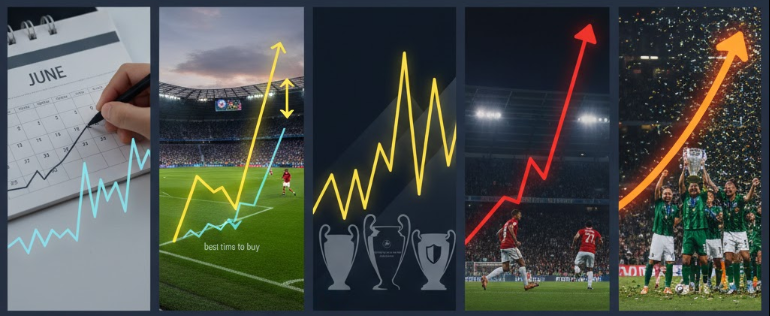
Best Month to Buy Tickets: A Season-by-Season Breakdown
June–July (Pre-Season)
August–September (Early Season)
October–December (Mid-Season)
January
February–April (Run-In Phase)
May (Season Finale)
A Smart Fan’s Monthly Buying Calendar (Quick Logic)

Common Ticket Buying Mistakes Fans Still Make
How SportTicketsOffice Helps Fans Buy at the Right Moment
Smart Fans Don’t Guess — They Follow the Calendar